
Here's how Standard Carbon is enabling energy transformation through real-world projects in addition to our numerous urban projects:
GAS FIRED COMPRESSION STATIONS – NEW YORK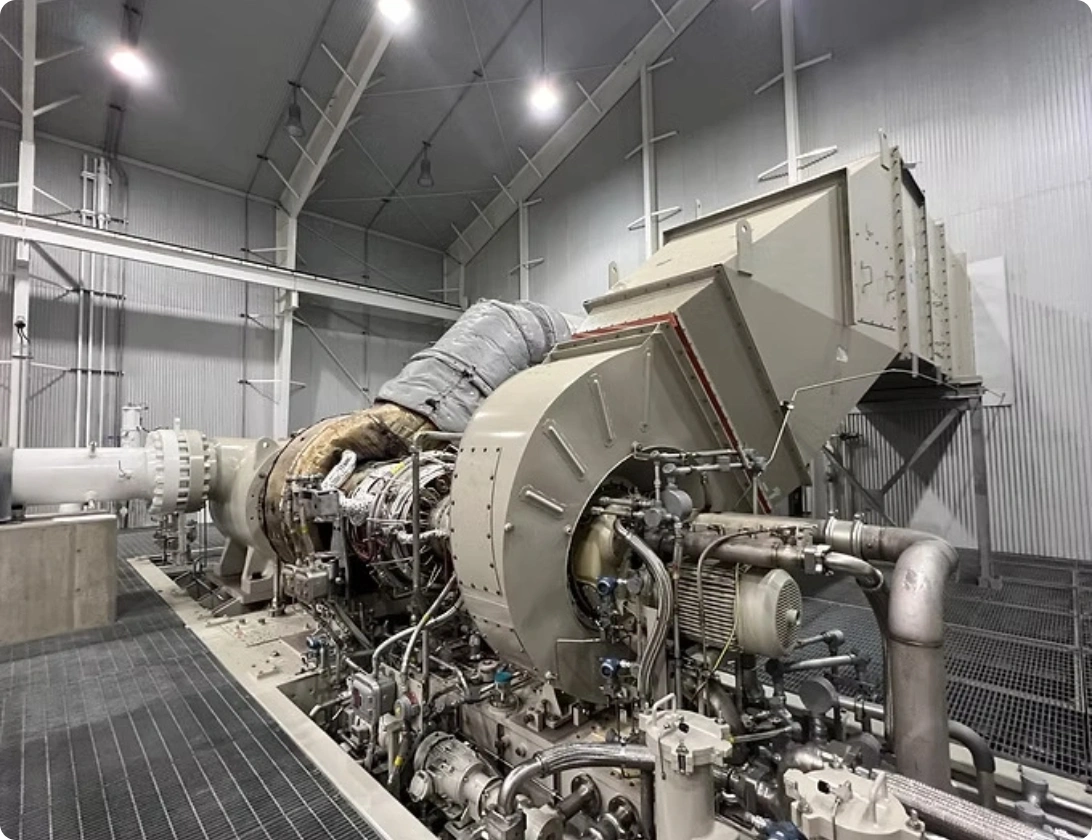
Gas-fired compression stations are essential to maintaining pressure in the natural gas pipeline network, but they're also significant point sources of emissions. We're helping operators convert carbon dioxide to natural gas by capturing and recycling CO2 into valuable renewable fuel at the source. This without interrupting pipeline flow or requiring mechanical overhauls.
PEAKER PLANTS – NEW YORK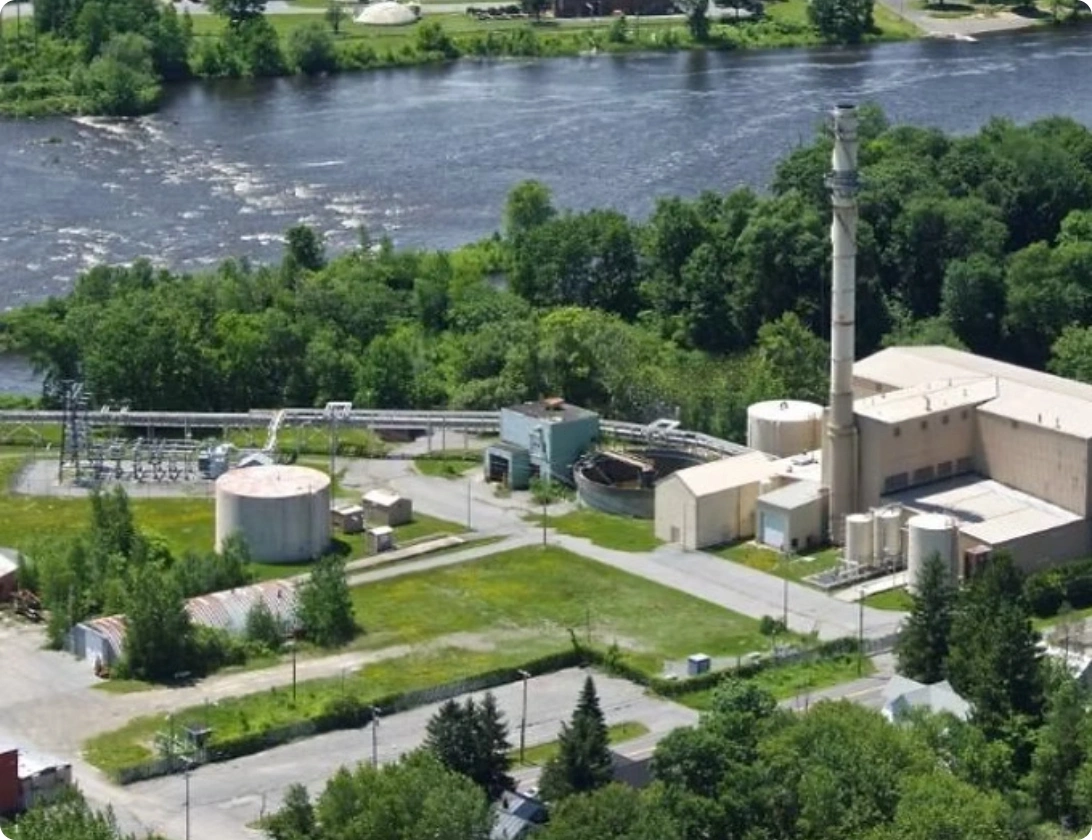
We are working with community-based peaker plants across New York to capture their CO2 output and convert it into usable fuel. These deployments support microgrids and help revitalize distressed assets while delivering emissions reductions and creating a large supply of valuable low carbon renewable gas that supports grid resilience.
BIOGAS DIGESTER – PENNSYLVANIA
At a biogas facility in Pennsylvania, we're decarbonizing CO2 from organic waste streams. Traditional digesters produce methane-rich gas with a high CO2 fraction, up to 50%. Our technology enables the site to convert carbon dioxide to natural gas, effectively doubling its RNG output using renewable electricity. This approach improves energy yield and unlocks new economic value from existing waste.
Standard Carbon’s model is scalable and ready to deploy for infrastructure at every level, from community-based energy systems to national utilities. Whether it’s a Gas Fired Compression system or a Combined Cycle Power Plant, our mission remains the same: turn problems into solutions.